📚💬 “…my body is the keeper of secrets, and this pen is its liberator.” J. C. Cervantes, The Enchanted Hacienda
Posts in "Books"
📚📺 The trailer for The Power dropped. I loved this book so much. The show has an amazing cast. I’m looking forward to watching it.

Finished reading: The House in the Cerulean Sea by TJ Klune 📚
Listened to the audiobook. I understand why so much of the beginning of this book had to establish for us the dreariness of Linus Baker’s life. I didn’t really get into it until he arrived at the eponymous house. And from then on it made my heart sing.
📚💬 “We are who we are, not because of our birthright, but because of what we choose to do in this life.” TJ Klune, The House in the Cerulean Sea
📚💬 “Why can’t life work whatever way we want it to? What’s the point of living if you only do it how others want you to?” TJ Klune, The House in the Cerulean Sea
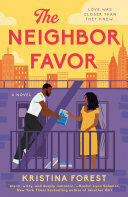
Finished reading: The Neighbor Favor by Kristina Forest 📚
Adorable romance about a publishing assistant who starts an email friendship with the author of her favorite book, then he unknowingly moves into her apartment building. I love stories about book people. Highly recommend.

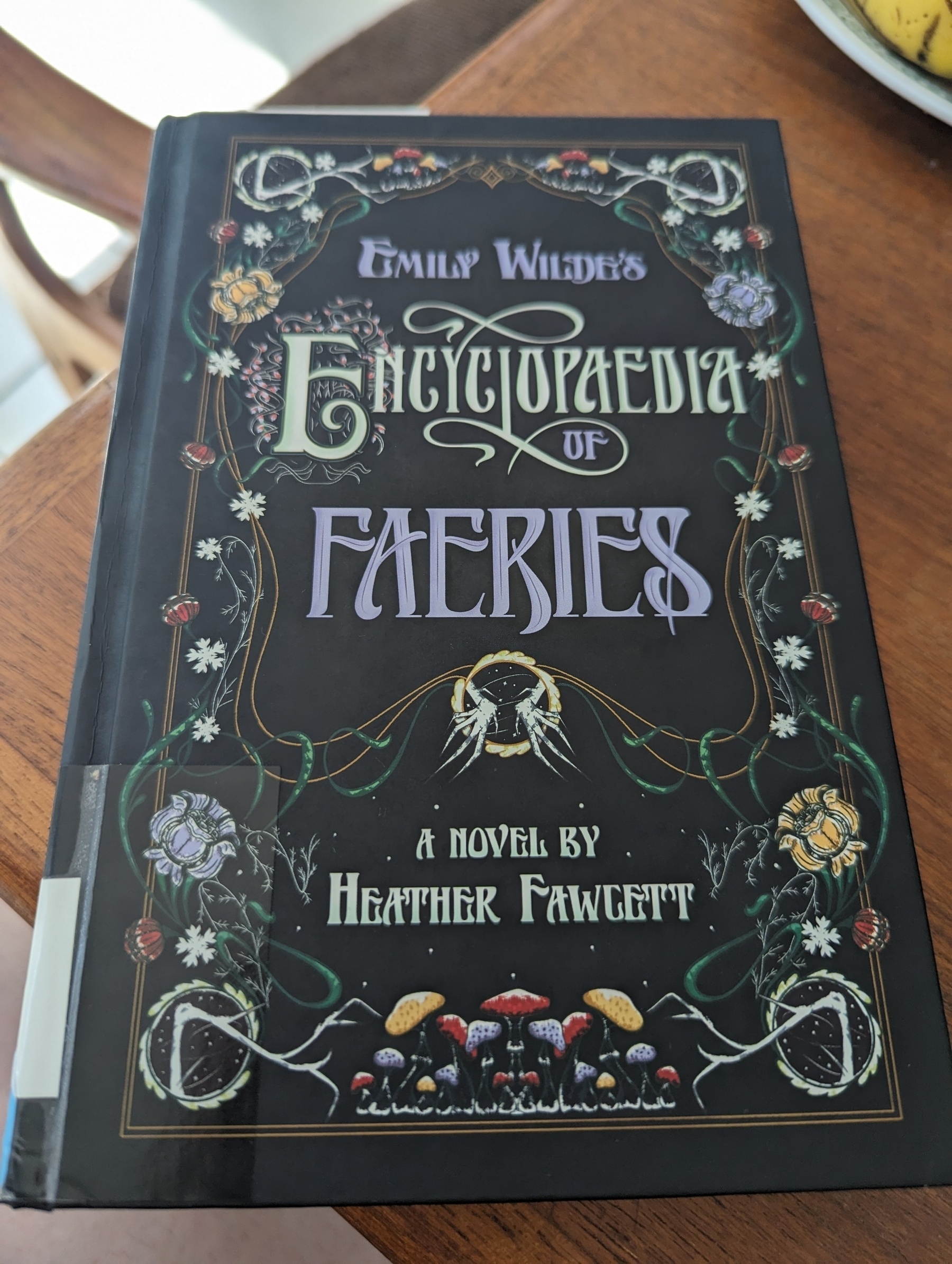
Finished reading: Emily Wilde’s Encyclopaedia of Faeries by Heather Fawcett 📚
Lovely! A scholar of faerie lore travels to a frozen Scandinavian town to research for her book and along the way, her annoyingly wonderful colleague decides to join her. Brilliant use of both academia and faerie stuff in this one. Highly recommend.
📚💬 “I was supposed to remain comfortably outside the stories with my pen and my notebook.” Heather Fawcett, Emily Wilde’s Encyclopedia of Faeries
📚 Research methods in Emily Wilde's Encyclopedia of Faeries by Heather Fawcett
📚 I am a very specific kind of nerd. In this book, set in 1909, a scholar studying faeries says she’s going to use naturalistic observation and ethnographic interviews as her research methods. I immediately thought this was anachronistic, because I knew Naturalistic Inquiry wasn’t published until 1985.
I was wrong. It’s not anachronistic, but it does show that Dr. Wilde is using cutting edge methods. While ethnography was first developed as a science in the 18th century, naturalistic observation wasn’t formalized until the turn of the 20th century.
So. Who cares? Well, me, because I’m a qual nerd. But I’m also a book nerd, so I feel like Wilde’s choice of methods reveals something about her as a character.
The way she writes about her research shows that she thinks of herself as a natural scientist, observing faerie behavior much as one would observe animal behavior. At the same time, the questions she’s asking and the way she treats her research “subjects” (a term that isn’t cool to use now but is absolutely what you’d use in 1909) shows that she can’t help but treat her research as social research, because surprise! in her world, faeries are people, not animals.
(What distinguishes people from animals? I’d say for Wilde’s purposes, speech and self-awareness.)
And now that I’ve written 200+ words about an imaginary scientist’s research methods, I should probably get back to bed.
📚💬 “He felt lighter somehow. Like he wasn’t paint blending into the wall. He felt real. He felt present. Almost like he could be seen.” T. J. Klune, The House in the Cerulean Sea