🔖 Everyone Wants to Be a Hot, Anxious Girl on Twitter
I am both fascinated and terrified by the phrase “the girl in the machine.”
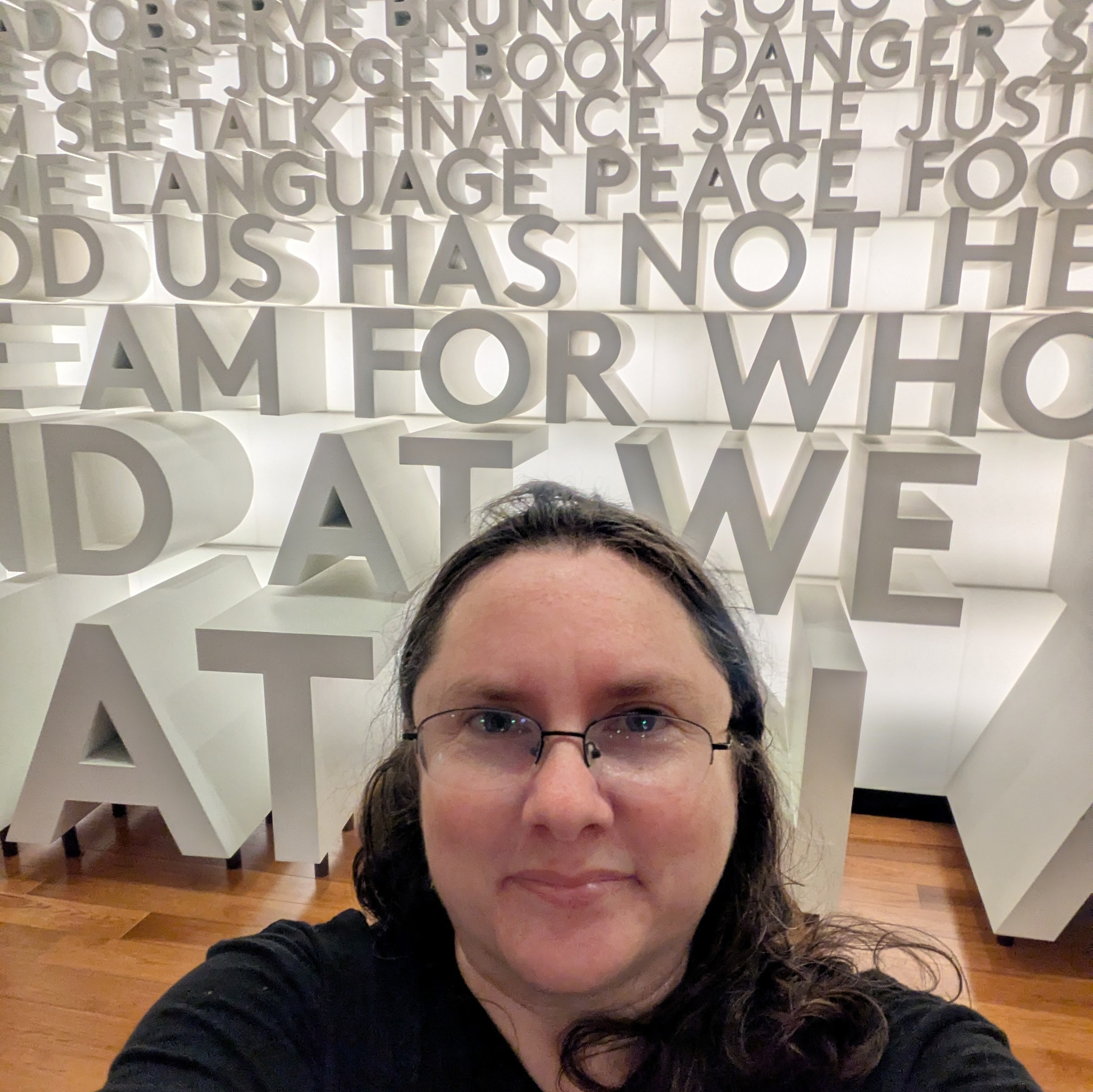
Hi there! I'm Kimberly Hirsh. My pronouns are she/ her/hers. I'm somebody's mom. I work as a school librarian. I have a PhD in information and library science. I love to read, play tabletop and video games, and make things. I used to perform in theater and improv comedy and I may one day again. I have been extremely online since 1993 and still enjoy tinkering on the web. I manage multiple chronic illnesses. I'm married to my kid's dad. We have a cat.
Want to get in touch? You can reach me by email.
🔖 Everyone Wants to Be a Hot, Anxious Girl on Twitter
I am both fascinated and terrified by the phrase “the girl in the machine.”
🔖 NC Mutual Will Cease Operations This Month
This is heartbreaking and I’m ashamed I didn’t follow this story earlier.
I get excited and ambitious and then I have a flare and then I forget all my passions and ambitions. Listen, body: I am doing my best to build a life where I take good care of you. Could you stop derailing literally everything else I want to do?
This is an example of process art.
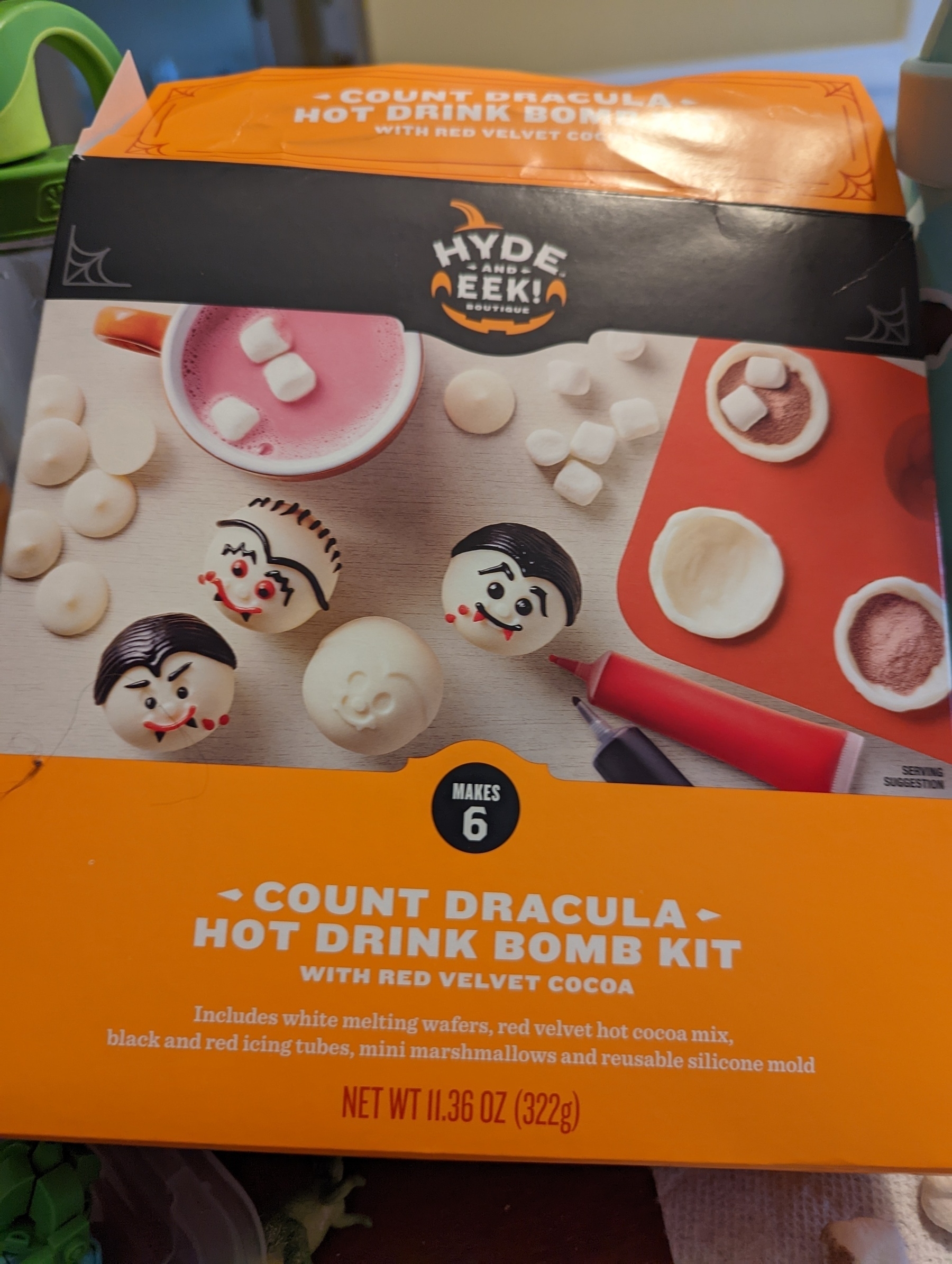
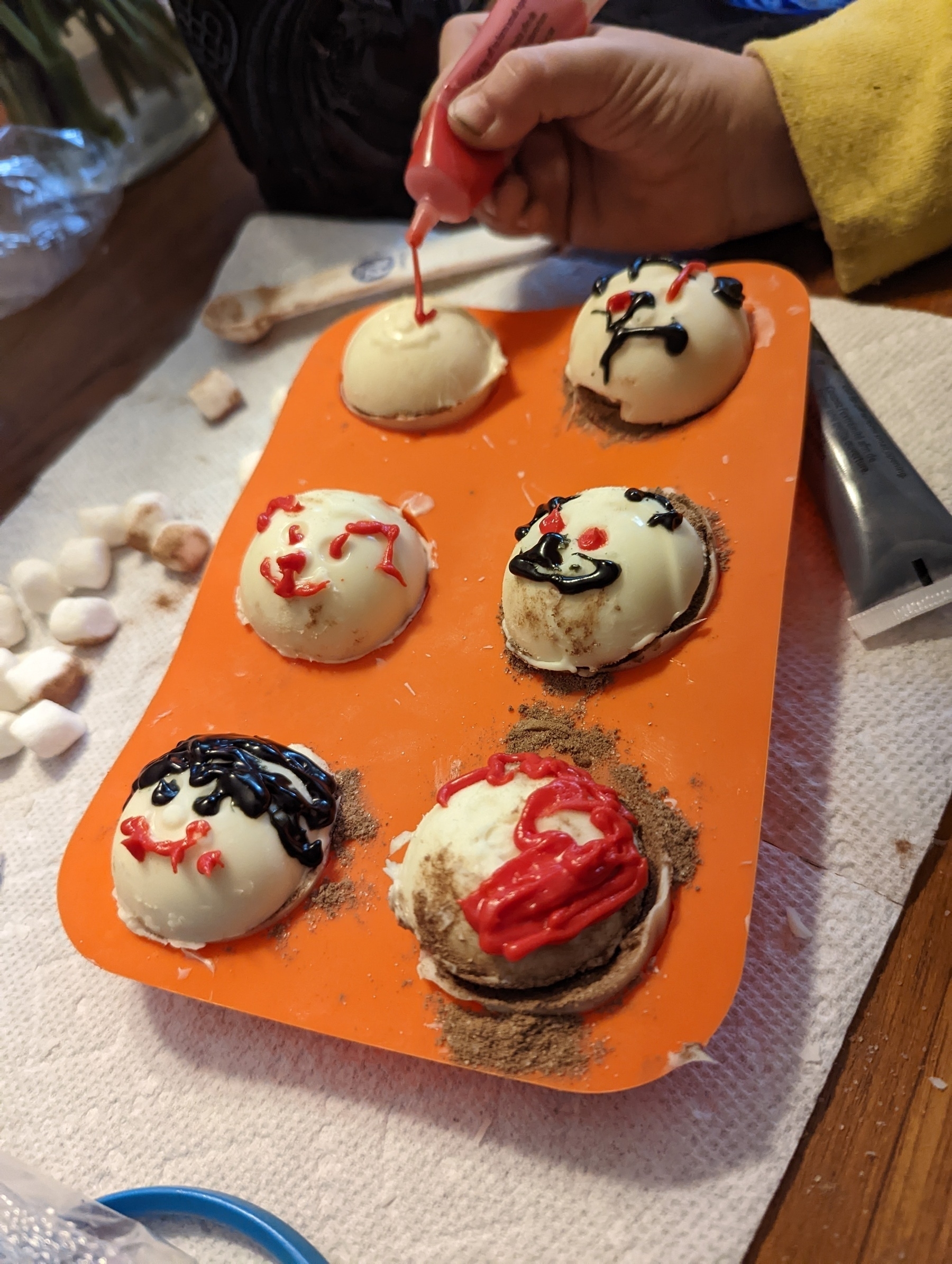
I want to food, to cook fresh ingredients into beautiful and tasty things. But I like to experience this as meditative and do it when I have energy, so I’m currently parsing out the things that keep that from happening. Maybe I start making really excellent lunches.
In my doctoral program, there was a class that we colloquially referred to as “babydocs.” As it was taught the year I took it, the purpose of babydocs was two-fold: 1. to introduce us to the field of library and information science and the variety of potential research areas and 2. to introduce us to the skills a person needs to be a scholar.
It’s been over seven years since I started babydocs and I’m still trying to get that “how to be a scholar” part down. Here are the topics and skills babydocs covered in this vein:
This was a two-semester course and that was only HALF of what we covered, with the other half being specific to our discipline.
I know how to do all of the things on this list, but I still haven’t created a cohesive framework or workflow that lets me do them in any but the most just-in-time manner. But a just-in-time scholar isn’t really the kind of scholar I want to be.
(And I do want to be a scholar, even though I’m not interested in tenure-track work.)
I share all of this because I’m going to try, all these years later, to create such a framework. Something that wasn’t part of babydocs.
I plan to blog about it and I thought y’all might like to follow along.
Finished up my time at #FSNNA22 with a dance by the pastries.
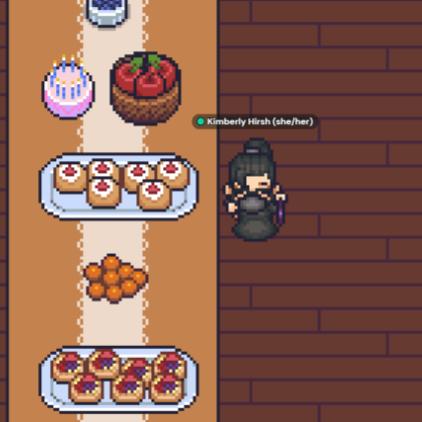
Okay, getting dressed and then heading to the #FSNNA22 Gather lobby to try dancing and throwing confetti.
Skipping the first sessions of #FSNNA22 today to have breakfast with my family. Back for the 11 am, then missing the closing session to play D&D.
Today, in Kimberly remembers that scholarly publishing is broken: lots of journals demand either full transfer of copyright or an exclusive license for the full term of copyright, without compensation to the author. Academics often don’t control our IP.